How to choose a child car seat for a rental car
The right child seat depends on one number above all: your child's weight. Age is only a rough guide, and height matters too. This guide explains the three main seat types, how to tell when it is time to move up, and how to order the right seat with a rental car so it is ready when you arrive.
Weight
the first thing to check
3
seat types: carrier, seat, booster
Free
child seat with every CarLove rental
0 to 12
years covered by the three types
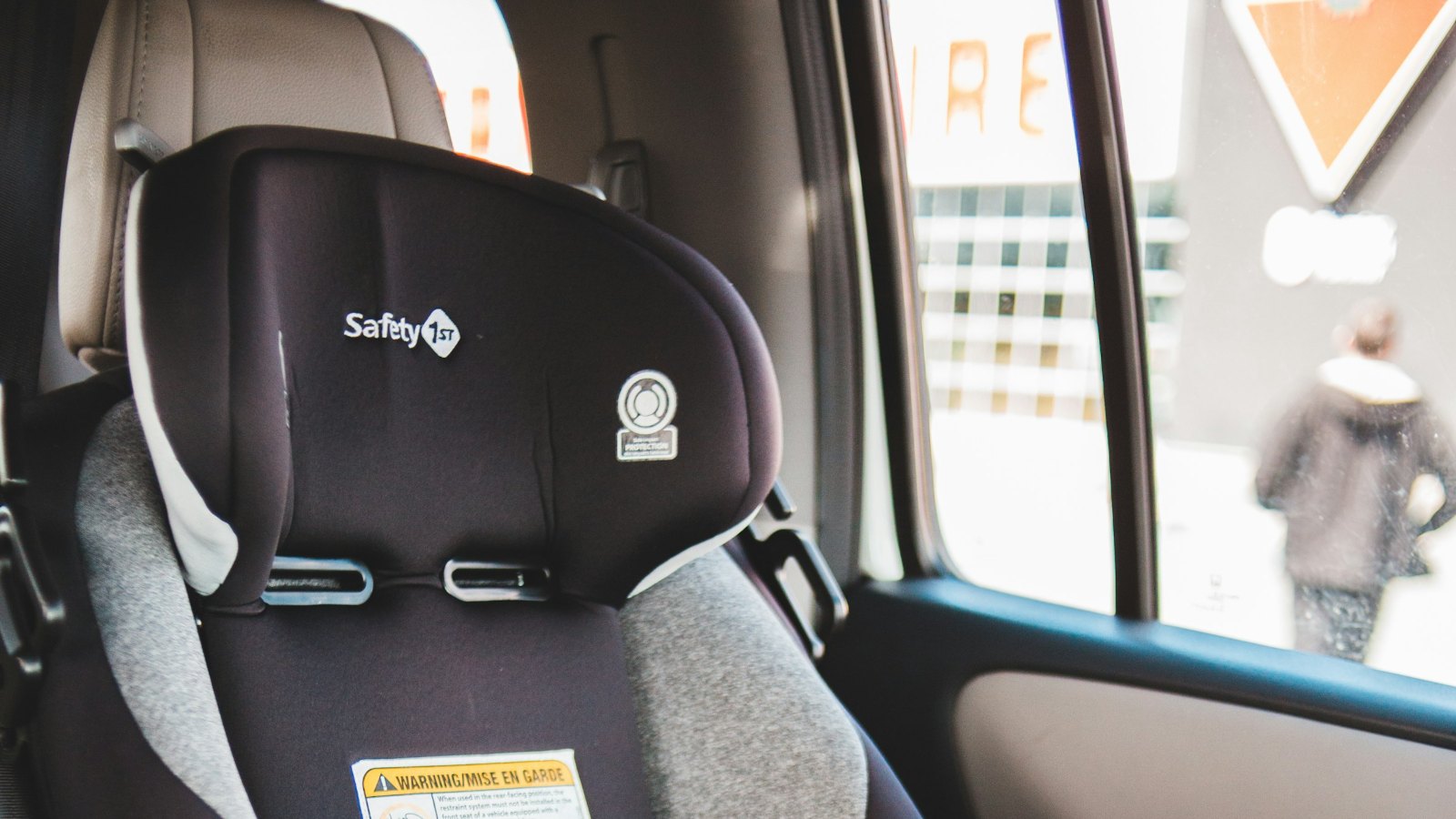
Start with weight, then check height and age
Child seats are sold in weight groups, and newer seats also use height. Ages on the box are approximate, so a tall two-year-old and a small three-year-old may need different seats. Use this order: weigh your child, measure their height, then match both to the limits printed on the seat label.The three seat types
Baby carrier
Newborn, rear-facing
A shell that holds a newborn lying back at a safe angle. The harness is snug, the head is supported, and the seat faces backwards. Outgrow it when the baby's head reaches the top of the shell or the weight limit is reached.
Child seat
Toddlers and young children
A seat with its own five-point harness. Rear-facing is safer for as long as the child fits, because the shell supports the head, neck and back in a crash. Forward-facing comes later.
Booster seat
Older children
Lifts the child so the adult belt crosses the collarbone and hips. A booster with a high back and side wings gives better support than a plain cushion.
Why rear-facing matters
In a frontal crash a young child's head is heavy compared with the neck. A rear-facing shell spreads the force across the whole back. The newer i-Size standard requires children to stay rear-facing until at least 15 months, and many safety organisations recommend keeping them rear-facing for longer, as long as the child fits.Why a booster beats a plain cushion
The point of a booster is belt position. The lap belt should lie across the hips, not the stomach, and the shoulder belt across the collarbone, not the neck. A high-back booster also helps in a side impact and keeps the belt in place when a child falls asleep.When to move to the next seat
Move up when one limit is reached, not when it is convenient. The seat is outgrown when the weight limit is reached, when the child's head is no longer covered by the head support or shell, or when the harness slots sit clearly below the child's shoulders on a rear-facing seat.
Moving a child to the next seat too early is the most common mistake. A child who still fits the harness seat is safer in it than in a booster, so do not rush the change because of age.
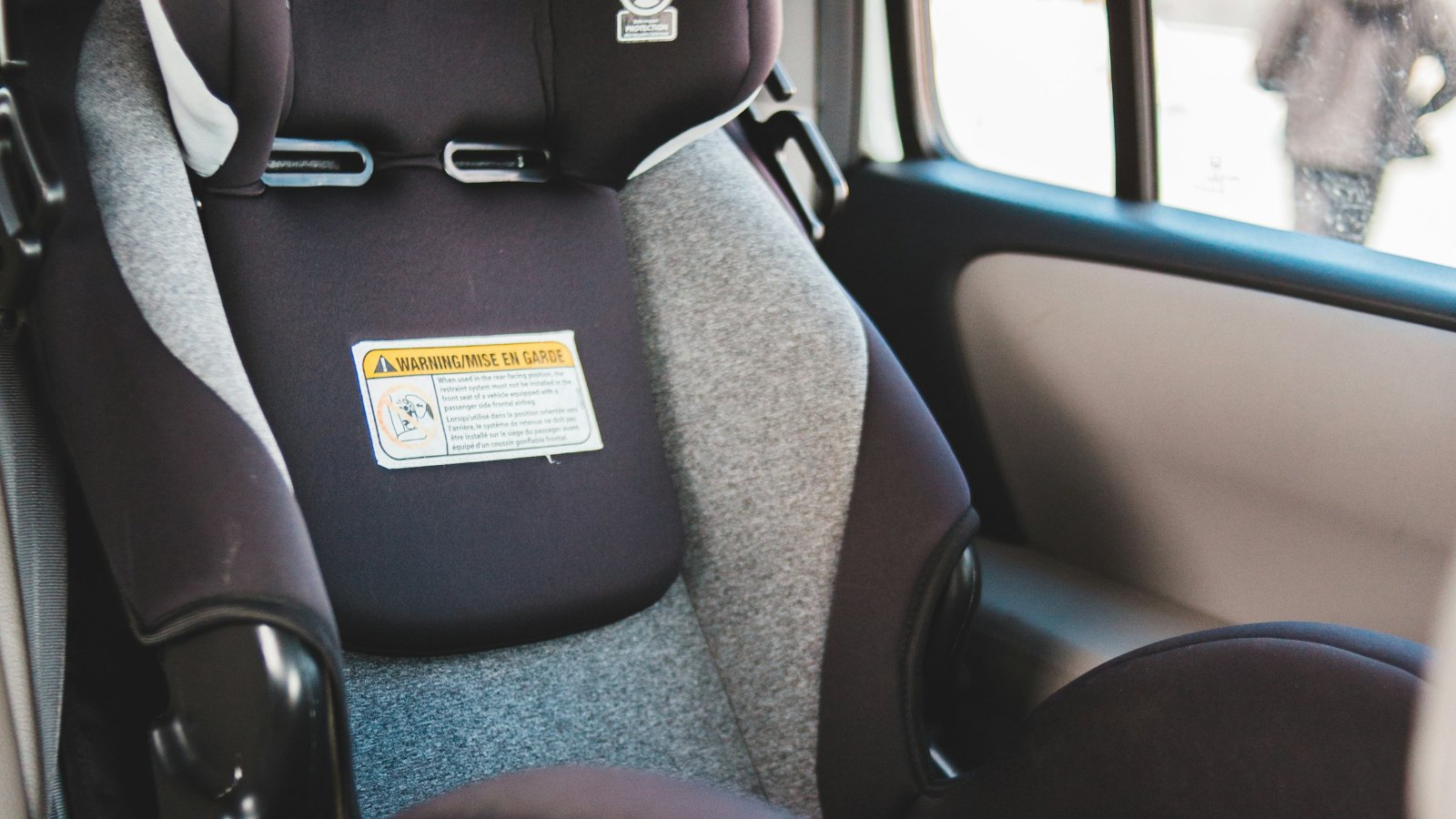
Check these things in the car
1
Approval label
Look for the orange E-mark label with ECE R44/04 or R129. It shows the seat meets European standards and lists weight or height limits.
2
Harness fit
The straps should lie flat and snug on the child's body. You should not be able to pinch a fold of strap at the shoulder. Take off bulky coats first.
3
Seat position
The back seat is the safest place. A rear-facing seat in the front is only safe with the passenger airbag switched off.
4
Seat fitted firmly
A fitted seat should not move more than a couple of centimetres at the belt path. Check it again before every long trip.
5
Seat history
Do not use a seat that has been in a crash, has cracks, or is of unknown history. Used seats from strangers are a risk you cannot see.
What the law says in Czechia
Czech law requires a suitable child restraint for children under 150 cm and under 36 kg. In practice, treat a seat as required until your child has passed both limits and the adult belt fits correctly. A child may sit in the front seat if properly restrained, but the back seat is safer. Rules abroad are broadly similar across the EU, with country-specific details, so check them before a cross-border trip. For driving rules country by country, see our guide to taking a rental car abroad.How to order the right seat with your rental
A free child seat only helps if it is the right one, so give us the details at booking. The more precise the information, the better the match.1
Pick your car and dates
Choose a car with enough room for the seat and a pushchair. Check the boot and rear legroom.
2
Add the seat request
In the booking form, write the child's weight, height and age. If you have more than one child, give the details for each.
3
Say which type you expect
Carrier, child seat or booster. If you are not sure, the weight and age are enough and our team will choose.
4
Confirm before pickup
The seat is confirmed before your pickup date and fitted to the car in advance.
5
Check at handover
When you collect the car, our team shows you how the seat is secured. Check the label and the fit with your child before you drive away.
Travelling with several children? Mention it when you book, with the weight and height of each child, so the seats are ready together and you can check how they fit across the back seat before you leave.
FAQ
A child seat with your rental, free of charge
Choose a family car, add your child's weight and height, and the seat is waiting when you arrive.
See cars and prices